
You want smoother skin without flare-ups. You also know your skin tends to over-heal. That is why laser hair removal feels both promising and a little intimidating. At Vive Aesthetics, we approach it like any careful plan: name the risks, choose the right tech, move in measured steps, and keep the skin calm from consult to follow-up. If laser hair removal is on your list, you deserve a path that aims for results while keeping scar risks low. We will map that path here, plainly. No scare tactics. No magic.
I will use laser hair removal in simple sentences so nothing gets lost. We will talk about how it works, what raises risk, and how we stack small decisions that add up to safer outcomes. If you have a personal history of keloids, laser hair removal is not off the table. It just needs guardrails. And if you have darker skin, laser hair removal can still be done with settings and devices that respect melanin. The theme is steady preparation, not luck.
SEND US A MESSAGE
Contact Us Now!!
Keloids, Hypertrophic Scars, and Why That Matters
Keloids are scars that grow beyond the original wound edges. Hypertrophic scars stay within the injury border but can be raised and firm. That tendency changes how we think about heat, inflammation, and post-procedure care. The light from laser hair removal targets pigment in the hair shaft and bulb, turns to heat, and disables growth. We want that energy to land in the follicle, not your epidermis. The closer we keep heat to the hair and away from surface tissue, the calmer your skin stays.
Plain differences that guide choices:
- Keloids are more common on chest, shoulders, jawline, and earlobes. We set stricter thresholds in those zones.
- Hypertrophic scars often soften over time. Keloids can continue to thicken. We plan longer observation windows after each session.
- Family history counts. If a parent forms keloids, we assume higher risk and default to conservative settings.
Is laser hair removal safe if you form keloids?
Usually, yes, with the right screening and protocol. Safety is a sequence, not a single setting. We look at your scar history, the treatment area, your skin type, and any active breakouts or ingrowns. Then we stage a test spot. If the skin stays quiet over 2 to 3 weeks, we proceed. Think of it as a dress rehearsal for laser hair removal with your skin calling the cues.
The Tech That Respects Melanin and Scar-Prone Skin
On darker complexions, longer wavelengths travel deeper and bypass more epidermal pigment. That is why Nd:YAG at 1064 nm is a common first choice. Diode platforms can work well when paired with longer pulse durations and excellent cooling. Alexandrite is powerful on lighter skin, yet we are more cautious with it on higher Fitzpatrick types. We favor contact cooling, chilled tips, or cryogen sprays that protect the surface.
Device priorities for scar-prone clients:
- Long pulse options to spread energy over time.
- Strong epidermal cooling to reduce peak surface temperature.
- Consistent spot sizes for even passes.
- Reliable energy calibration so one pulse equals one response.
What Raises Risk — And What Lowers It
Raises risk:
- Recent sun exposure or active tanning
- Retinoids, aggressive exfoliants, or photosensitizing meds
- Treating over acne cysts, folliculitis flares, or open lesions
- High fluence with short pulses on darker skin
- Heat stacking from passes that are too close together
Lowers risk:
- A patient-specific test spot with photo check-ins
- Conservative fluence and longer pulse widths
- Adequate cooling with each pulse
- Calm skin before the appointment and strict SPF after
- Clear aftercare, including silicone support where appropriate
Your Pre-Session Game Plan
Before laser hair removal, we keep the skin boring. Boring is good.
- Pause retinoids and strong acids per clinician guidance.
- Avoid waxing or epilating for several weeks so the follicle remains a valid target.
- Shave 24 hours prior so energy meets the shaft inside the skin, not hair above it.
- Skip heavy workouts, saunas, and peels the day before.
- Bring a list of meds and supplements. We will flag anything photosensitizing.
- Photograph the area in good light. Day-of and follow-ups will match the angle.
SEND US A MESSAGE
Contact Us Now!!
What Happens During Treatment
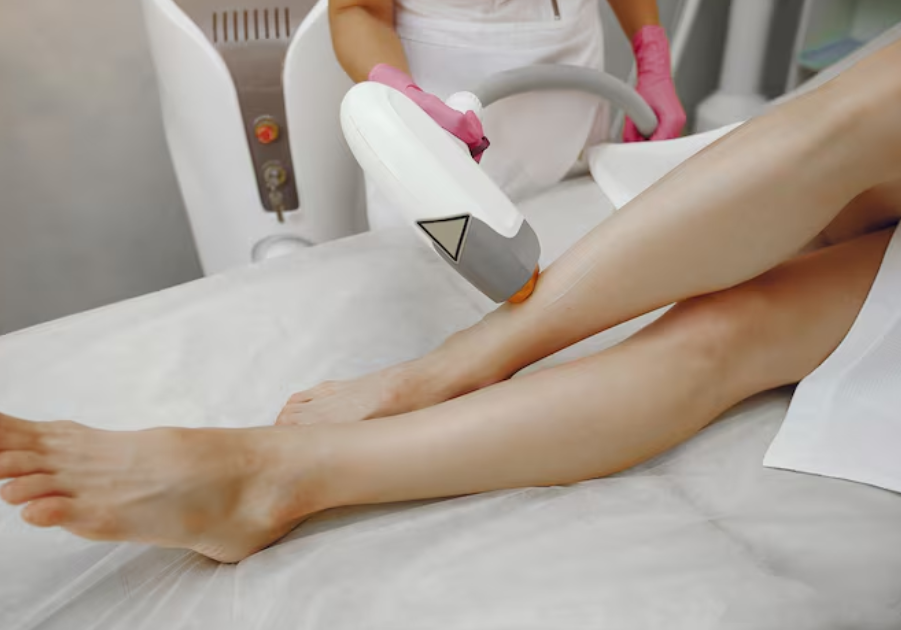
Expect measured, repeatable steps. We clean the skin. We mark zones. Cooling is tested. A few pulses, then a short pause to check for a predictable perifollicular response. During laser hair removal you may feel quick snaps and warmth that fade within minutes. If you are prone to over-healing, we widen the time between passes to limit heat stacking.
In-session checkpoints:
- Even overlap without double-firing the same spot
- Real-time cooling and immediate end-point review
- Adjustments if the reaction looks too hot or too flat
- Documentation of energy, pulse width, spot size, and pass count
Post-Care That Keeps Skin Calm
After laser hair removal, gentle rules apply. Cool compresses. Non-occlusive hydration. Fragrance-free cleansers. High-zinc SPF. No picking at the lifted hairs as they shed. If your clinician recommends silicone gel or thin sheets for an area with previous scars, follow the calendar. For darker skin, we add brightening support to reduce the chance of PIH and set longer follow-ups to catch subtle changes early.
48-hour do-nots:
- Hot yoga, steam rooms, or very hot showers
- Scrubs, retinoids, or exfoliating tools
- Tanning or unprotected sun exposure
- Tight clothing that rubs the treated area
Planning Sessions and Expectations
Hair grows in cycles. That is why laser hair removal works best in a series, spaced to catch active growth. We set longer gaps for irritated zones and shorten for low-risk areas with excellent recovery. Expect progressive reduction. The goal is fewer, finer hairs and calmer follicles, especially where ingrowns have been a problem.
Typical course, adjusted for keloid-prone skin:
- Start with a small field test.
- Session 1 with conservative energy, then a 3-week check.
- Session 2 after 4 to 6 weeks if skin is quiet.
- Gradual energy escalation only after two uneventful visits.
- Maintenance as needed once endpoints are reached.
Treating Over or Near Scar Tissue
Working across existing scars requires patience. We often trim the perimeter and reduce density while avoiding the raised center. On flat, mature areas, low energy passes may be considered with extra cooling, yet we never chase a perfect cosmetic finish at the expense of stability. If a small area prefers an alternate method, we say so.
When we pivot:
- History of active, expanding keloids in that exact site
- Prior flares after heat-based procedures
- Unresolved inflammation or cystic acne along the treatment path
When Another Method Makes More Sense
Electrolysis can be a good fit for isolated, stubborn hairs within a scar border. Depilatory creams carry irritation risk, yet with patch testing and timed use they can be a temporary bridge. Waxing and sugaring remove the bulb and can inflame follicles, so they are lower on our list for scar-prone clients.
A Quick Checklist You Can Screenshot
- Talk through personal and family history of keloids.
- Ask for a test spot and a follow-up photo check.
- Confirm device, wavelength, and cooling type.
- Request conservative fluence and longer pulses at first.
- Keep pre-care simple. Shave only. No peels, no tanning.
- Plan post-care with SPF, gentle cleansers, and no heat.
- Book longer gaps between early sessions to watch recovery.
- Save settings and photos. Consistency wins.
What We Do Differently at Vive Aesthetics
We do not guess, patch-test and we document. We keep the skin quiet before we turn any light on. Our clinicians understand melanin-safe protocols, the difference between keloids and hypertrophic scars, and the art of small adjustments. We tailor laser hair removal to your history rather than pushing a preset. If a setting should not be used on your skin, we do not use it. If a different device would be safer, we schedule that instead.
FAQs
Is laser hair removal safe if I form keloids?
For most people with a keloid history, yes, with test spots, conservative energy, and excellent cooling. We avoid active lesions and monitor longer between early sessions.
Can laser hair removal cause new keloids?
The risk is low when the epidermis is protected and the skin is calm, but not zero. That is why screening, test spots, and aftercare matter.
What is the best device for darker skin that forms keloids?
Nd:YAG 1064 nm is often preferred because it targets deeper and spares more surface pigment. Long pulses and strong cooling help.
How do I prevent hyperpigmentation after treatment?
Strict sun avoidance, daily high-zinc SPF, gentle skincare, and the right interval between sessions. Your clinician may add a pigment-safe brightener.
Can I treat over scar tissue?
Sometimes, with caution and low energy. For raised, active keloids, we usually avoid direct passes and reshape the plan.
How many sessions will I need?
Most areas need a series. We personalize the count after your test spot and first session. The goal is steady reduction, not a rushed calendar.
What if I am on retinoids or antibiotics?
You may need a pause window. Bring your medication list so we can plan safely.
Do I need to stop working out?
Avoid heat and friction for 48 hours after treatment. Then resume gently.
Key Takeaway
You can have smoother skin and protect your tendency to over-heal. The safest version of laser hair removal is not an accident. It is a series of small, thoughtful choices: the right wavelength, calm skin going in, measured settings, disciplined cooling, and simple aftercare that you will actually follow. If you want results without drama, Vive Aesthetics will build a plan around your skin, your history, and your goals. Quiet process. Real progress.