

If you are looking at skin after weight loss and wondering why your body changed faster than your skin, you are asking a fair question. A lot of people reach this stage after a major drop on the scale or after pregnancy and feel proud, then confused, then maybe a little annoyed too. The body feels lighter. Clothes fit better. Then the mirror shows loose folds, softer texture, or a lower belly area that still looks stretched.
At Vive Aesthetics, this concern comes up often. Skin after weight loss does improve for many people, though the pace is slower than most expect. Loose skin after pregnancy often follows a similar pattern. The body adjusts in phases. Some changes happen early and some take months. Some areas change less than you hoped, which is hard, honestly.
This article gives candid timelines, direct answers, and practical next steps. Skin after weight loss rarely follows a clean, perfect path. The same is true for loose skin after pregnancy. Real recovery looks uneven. A good week may be followed by a week where nothing seems different. That part is normal too.
SEND US A MESSAGE
Contact Us Now!!
Key Takeaways
- Skin after weight loss often changes most during the first 6 to 12 months after weight becomes steady.
- Loose skin after pregnancy often shifts most during the first year after birth.
• Mild laxity often improves more than larger folds. - Skin elasticity after weight loss depends on age, genetics, time, and the amount of stretch.
- Loose abdominal skin after weight loss and loose stomach skin after pregnancy usually improve more slowly than arms or thighs.
- Strength training, steady habits, protein, water, and time all support better recovery.
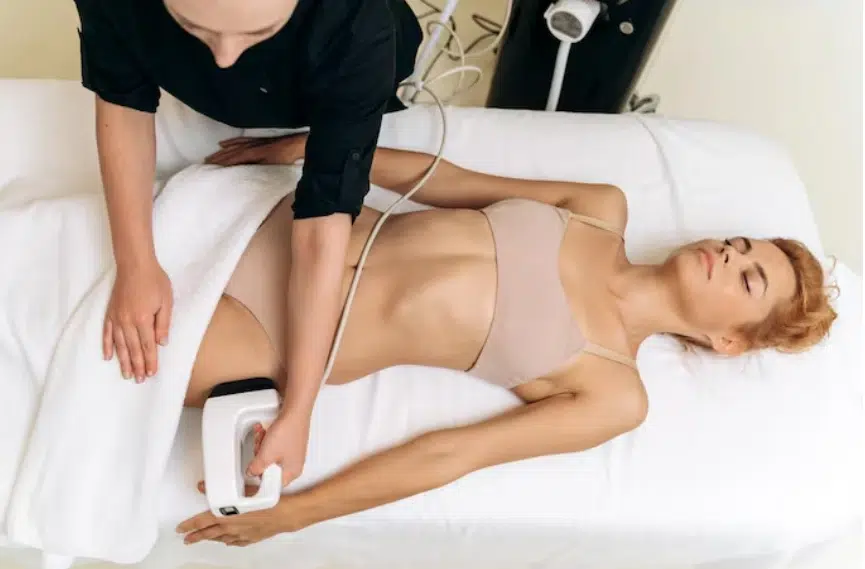
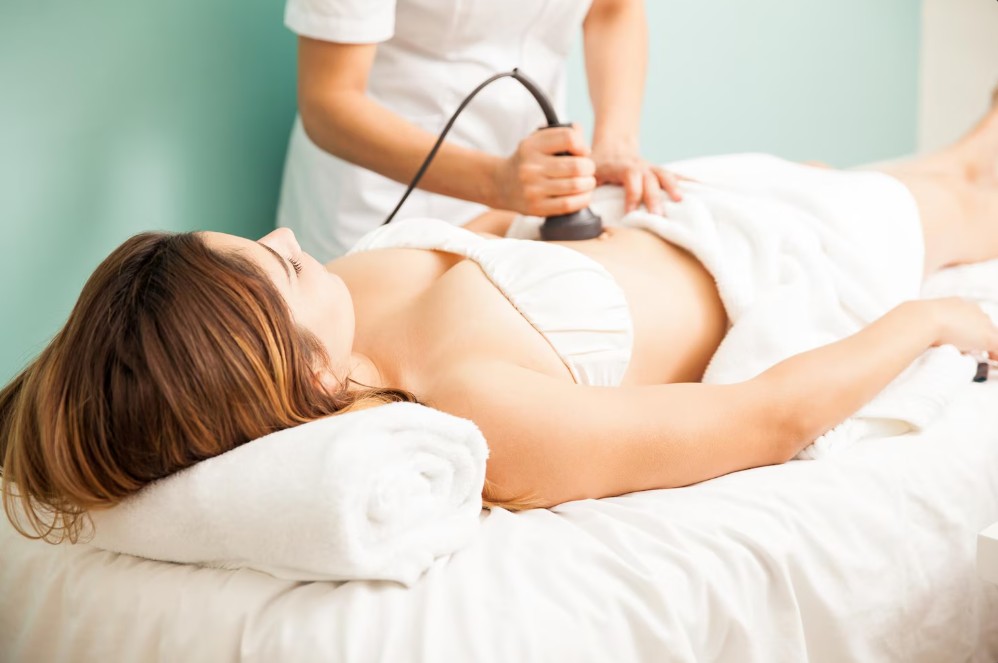
- Body contouring after weight loss or postpartum skin tightening may help once natural change slows down.
- Skin after weight loss often needs patience more than people expect.
What Causes Loose Skin After Weight Loss?
Direct answer. Loose skin after weight loss happens when body size drops faster than skin structure rebounds.
Skin stretches to cover a larger body. After weight loss, the body gets smaller first. Skin follows later. Sometimes the rebound is strong. Sometimes the rebound is partial. The amount of improvement depends on how long the skin stayed stretched, how much weight changed, and how strong the collagen network still is.
Common causes of loose skin after weight loss include:
- Large weight loss
- Rapid weight loss
- Years of skin stretching
- Lower collagen and skin elasticity
- Age
- Smoking history
- Sun damage
- Lower muscle mass under the skin
- Repeated weight cycling
Skin after weight loss may look thin, wrinkled, folded, or crepey. The look changes by body area. The belly often shows more change than the arms. The inner thighs often show more change than the upper back. That pattern is frustrating, though common.
Why skin sags after weight loss comes down to structure. Skin fibers stretch. Some fibers recover. Some fibers do not fully snap back.
What Causes Loose Skin After Pregnancy?
Direct answer. Pregnancy stretches the abdomen fast, then recovery happens in stages after birth.
Loose skin after pregnancy often shows up around the lower belly first. Some women notice soft wrinkling, some notice a hanging fold. Some notice a loose belly skin after pregnancy look that stays long after swelling drops. This does not always mean poor recovery. This often means the body went through major stretching.
Common reasons for postpartum loose skin include:
- Fast abdominal expansion
- Multiple pregnancies
- Larger baby or twins
- Less muscle support through the core
- Genetics
- Lower collagen reserve
- Age
- Weight shifts before and after delivery
Postpartum body changes also include fluid shifts, muscle weakness, hormone changes, and sometimes abdominal separation. All of those factors affect how the midsection looks. Skin after weight loss after pregnancy may overlap with postpartum loose skin, which makes the picture more complex.
How Long Does Loose Skin Last After Weight Loss?
Direct answer. The biggest natural change often happens within 6 to 12 months after weight becomes stable.
When people ask how long does loose skin last after weight loss, they usually want one clean number. Real life is less tidy than that. Mild loose skin after weight loss may improve a lot during the first year. Larger excess skin after weight loss often improves less, even with time.
A realistic timeline looks like this:
- First 3 months, the body is still settling after major change
- Months 3 to 6, early tightening may show
- Months 6 to 12, the biggest natural change often happens here
- Months 12 to 18, slower improvement may continue
- After 18 months, many people reach a more stable long-term result
Skin after weight loss often looks better once weight stops moving up and down. A steady body gives the skin a fair chance to catch up. Weight loss followed by regain followed by more loss usually works against recovery.
SEND US A MESSAGE
Contact Us Now!!
How Long Does Loose Skin Last After Pregnancy?
Direct answer. Loose skin after pregnancy often changes most during the first 3 to 12 months after birth.
Pregnancy skin recovery timeline varies from person to person, though a rough pattern helps. The first six weeks often bring major fluid loss and early shrinking. The next few months bring more visible settling. By six to twelve months, many women reach a more stable look.
A simple pregnancy skin recovery timeline:
- 0 to 6 weeks, swelling drops and tissues begin settling
- 2 to 3 months, early tightening often starts
- 3 to 6 months, postpartum body changes remain active
- 6 to 12 months, the belly often reaches a steadier look
- After 12 months, smaller changes may still happen
How long does loose skin last after pregnancy depends on the amount of stretch, number of pregnancies, age, genetics, and overall recovery. Loose stomach skin after pregnancy often lasts longer than people expect. That answer may not feel pleasant, though honesty helps more than false hope.
Does Skin After Weight Loss Go Away On Its Own?
Direct answer. Mild laxity often improves on its own. Larger folds often improve only partly.
This question matters because many people want to know whether waiting is enough. Skin after weight loss does often improve naturally, though the amount of change depends on the starting point. Small rippling on the arms or upper belly may settle a lot. Loose abdominal skin after weight loss or apron belly after weight loss often changes less.
Natural recovery is more likely when:
- Weight loss was moderate
- Age is younger
- Muscle mass improves
- Weight stays stable
- Skin was stretched for a shorter period
- Nutrition is strong
- Hydration stays consistent
Natural ways to tighten loose skin help support recovery, though no cream or supplement fully replaces the role of time, body composition, and skin quality. A lot of people hate hearing that. I understand why. Still, this is the honest version.
What Affects Skin Elasticity After Weight Loss?
Direct answer. Age, genetics, nutrition, lifestyle, and the amount of stretch all affect skin elasticity after weight loss.
Skin elasticity after weight loss is the reason one person rebounds faster than another. Two people may lose the same amount of weight and end up with very different results. The skin is not responding to pounds alone. The skin is responding to tissue history.
Factors that shape skin elasticity after weight loss include:
- Age
- Genetics
- Years at a higher weight
- Smoking
- Sun exposure
- Protein intake
- Hydration
- Hormones
- Muscle mass
- Rate of weight loss
Collagen and skin elasticity are closely linked. Younger skin tends to rebound faster because collagen networks are stronger. Older skin often shows more sagging skin after weight loss because collagen support has weakened over time.
Skin after weight loss also tends to look looser when the body loses both fat and muscle. This is why resistance training matters. A firmer frame under the skin often helps the skin look less empty.
How To Improve Skin Elasticity After Weight Loss
Direct answer. Support the skin with time, stable weight, protein, hydration, and strength work.
People usually want a short answer here, and the short answer is habits. Not flashy habits. Basic ones.
Ways to improve skin elasticity include:
- Keep your weight stable
- Eat enough protein
- Lift weights or do resistance training
- Stay hydrated
- Sleep well
- Limit smoking
- Protect skin from sun
- Avoid crash dieting
How to improve skin elasticity is really about giving the body what the body needs for repair. Collagen and skin elasticity do not respond well to chaos. Skin after weight loss tends to look better when daily habits are steady.
This does not mean every person will avoid loose skin. Some people do everything right and still end up with large folds. That outcome is frustrating, though normal.
SEND US A MESSAGE
Contact Us Now!!
What Helps Skin Tightening After Weight Loss Most?
Direct answer. Time, muscle building, and stable habits help most.
Skin tightening after weight loss usually happens slowly. The skin does not react to effort in a fast, dramatic way. Even so, some habits support a better result.
Helpful steps include:
- Strength training for the arms, glutes, thighs, and core
- Stable protein intake
- Gradual lifestyle changes, not extremes
- Good hydration
- Patience with the first year after weight stabilization
Skin after weight loss often looks better once the body underneath looks stronger. Muscle helps fill shape. This does not erase excess skin after weight loss, though this often improves the overall look.
At Vive Aesthetics, people often ask for one best fix. There usually is no one best fix. There is a timeline, a baseline skin quality, and a set of realistic options after natural change slows.
What Helps Postpartum Skin Tightening?
Direct answer. Time, core recovery, nutrition, and patience help most during postpartum skin tightening.
Postpartum skin tightening is not only about the skin. Core weakness, posture change, poor sleep, abdominal separation, and fluid shifts all affect how the belly looks. Loose belly skin after pregnancy often looks worse when the core has not recovered well yet.
Helpful support during postpartum skin tightening includes:
- Gentle core rehab when cleared by a medical provider
- Pelvic floor support work
- Protein-rich meals
- Hydration
- Stable recovery, not crash dieting
- Walking and progressive strength work
- Patience through the first year
Postpartum loose skin often changes more than you think, though rarely as fast as you want. Some women see a major shift between months three and nine. Some see less. Stretched skin after pregnancy does not follow the same clock for every person.
Which Areas Improve The Least?
Direct answer. The lower abdomen often improves the least.
Loose abdominal skin after weight loss usually ranks as the most stubborn area. Apron belly after weight loss is often the hardest to change naturally because the skin stretched the most and often stayed stretched the longest. Loose stomach skin after pregnancy also tends to linger longer than arm or thigh laxity.
Common stubborn areas include:
- Lower belly
- Inner thighs
- Upper arms
- Breasts or chest
- Lower face and neck after large weight loss
Skin after weight loss in these areas often reaches a plateau once body weight is steady and basic recovery time has passed. That does not mean hope is gone. That means the type of help may change.
When Does Body Contouring After Weight Loss Make Sense?
Direct answer. Body contouring after weight loss makes sense after your weight is steady and natural change has slowed.
This stage often begins around the one-year mark after major weight loss, sometimes later. A person who is still actively losing weight is usually too early in the process. A person whose body has been stable for many months often has a clearer baseline.
Body contouring after weight loss may make sense when:
- Weight has been steady for months
- Skin after weight loss is still bothersome
- Clothing fit is difficult
- Folds affect exercise or comfort
- Natural improvement has slowed a lot
Vive Aesthetics often speaks with patients who spent months waiting, hoping, and doing all the right basics. At some point, more waiting does not always change enough. That is where a more tailored plan may help.
When Does Skin Removal After Weight Loss Make Sense?
Direct answer. Skin removal after weight loss makes sense when the amount of excess skin is large and daily life is affected.
Skin removal after weight loss is usually a later option, not an early one. This route is often considered when folds remain after long-term weight stability and the skin causes rashes, hygiene issues, movement issues, or deep emotional frustration.
Signs skin removal after weight loss may deserve a discussion:
- Hanging lower abdominal fold
- Frequent skin irritation
- Trouble with clothing fit
- Exercise discomfort
- Persistent apron belly after weight loss
- Large loose abdominal skin after weight loss
This option is more common after major weight loss, though the decision depends on the body, not a single number.
What Is A Realistic Mindset For Candid Timelines?
Direct answer. Expect progress, not perfection.
This is the part many people need most. Skin after weight loss rarely snaps back on the schedule people hope for. Loose skin after pregnancy rarely disappears within a few weeks. The body is slower than social media. That gap creates a lot of disappointment.
A realistic mindset sounds like this:
- Early change does not predict the final result
- The first year matters
- Mild laxity often improves more than severe laxity
- The belly is usually the slowest area
- Daily habits help, though they do not erase everything
- Some people will need more than time
Skin after weight loss can look better, feel better, and settle more than you think. Yet skin after weight loss may also leave behind changes that time alone does not fully fix. Both statements are true. That tension is hard, though honest.
Vive Aesthetics works from that honest place. No rush. No false promises. Just a clear view of what usually improves, what tends to linger, and what options make sense once your timeline becomes clearer.
FAQs
How long does loose skin last after weight loss?
Most natural improvement happens during the first 6 to 12 months after weight becomes stable. Slower change may continue after that.
How long does loose skin last after pregnancy?
A lot of loose skin after pregnancy changes during the first 3 to 12 months, though some areas may keep shifting after that.
Why skin sags after weight loss?
Skin sags after weight loss because the body shrinks faster than the skin rebounds, especially after large or long-term stretching.
What helps skin tightening after weight loss?
Time, stable weight, strength training, protein intake, hydration, and strong daily habits support skin tightening after weight loss.
Does loose skin go away naturally?
Mild loose skin often improves naturally. Larger folds and excess skin often improve only partly.
What is postpartum loose skin?
Postpartum loose skin is skin laxity left after pregnancy, often around the lower belly, hips, and waist.
What is apron belly after weight loss?
Apron belly after weight loss is a lower abdominal fold of loose skin and tissue that hangs over the lower belly area.
When should body contouring after weight loss be discussed?
Usually after weight has been stable for months and natural improvement has slowed enough for a clearer long-term picture.